Water Damaged Laminate Flooring: Signs, What To Do, and When To Call a Pro

How to Repair Laminate Flooring With Water Damage

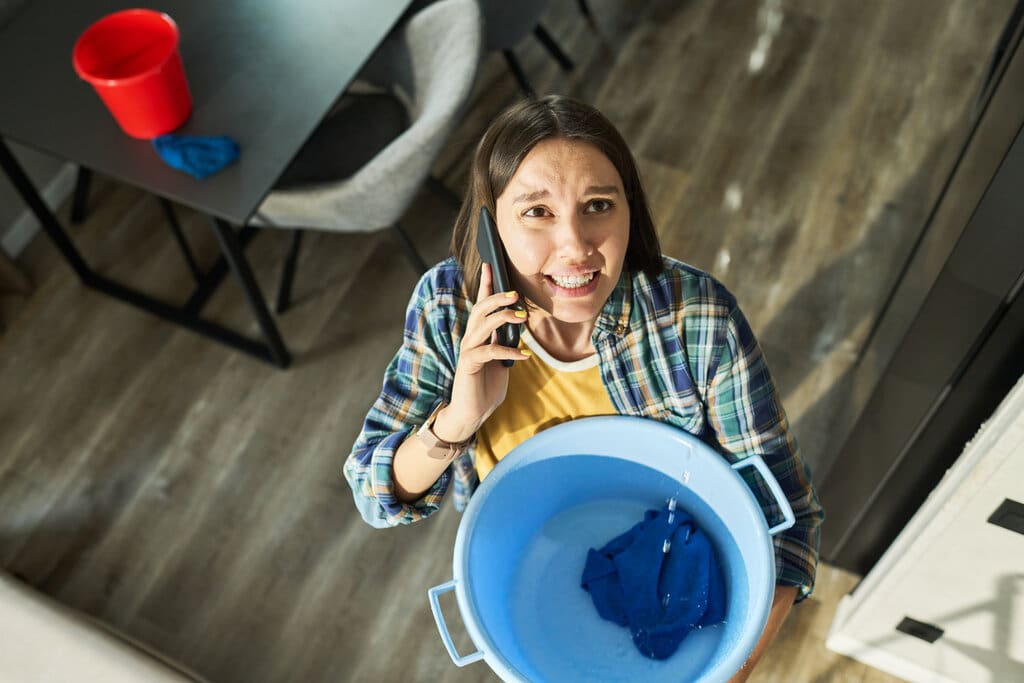
You walk into your kitchen and notice water sitting on your laminate floor. Maybe the dishwasher leaked, a pipe burst, or a storm pushed water inside. Now you’re left wondering how serious the damage might be and what to do next.

Water-damaged laminate flooring can begin to deteriorate within hours. As moisture seeps in, the boards may swell, warp, or loosen. The sooner you identify the signs and begin drying the area, the better your chances of protecting the floor and preventing further damage.

In this guide, you’ll learn:

  • Common signs of water-damaged laminate flooring
  • Steps to take right away to limit damage
  • When repairs may be possible and when replacement is needed
  • When to call professionals for help

Why Water Is Especially Dangerous for Laminate Flooring

Laminate flooring contains several layers, including an HDF/MDF core, a decorative layer, and a wear layer. The top layer protects the design from scratches and daily wear. And underneath sits a fiberboard core made from compressed wood fibers. This core absorbs water easily. When moisture slips through seams or edges, the fiberboard swells and pushes the planks out of shape.

Many products advertise “waterproof laminate”; however, even waterproof-labeled products are vulnerable when water gets under them from leaks, floods, or plumbing failures. Damage to the subfloor is often the most severe and expensive form of laminate floor water damage.

Signs Your Laminate Flooring Has Water Damage

Water-damaged laminate flooring is most easily detected by noticing any of the following signs while walking across your floor or spotting changes in the surface.

  • Buckling or warped planks
  • Swollen, raised, or bubbling edges
  • Soft or spongy areas underfoot
  • Dark stains or discoloration
  • Musty or damp odors
  • Creaking or unusual sounds when walking
  • Gaps forming between planks

Signs the Damage Has Reached the Subfloor

Water that stays trapped under laminate flooring can eventually damage the subfloor below. Warning signs that damage has reached the subfloor include:

  • Sagging or soft spots in the floor
  • Moisture readings above 10% on a moisture meter
  • Dark stains near walls or baseboards
  • Strong musty odors

This is when DIY repairs are no longer sufficient, and you must call a water damage restoration specialist.

How Quickly Can Water Damage Laminate Flooring?

Water can damage laminate flooring within 1 to 2 hours once moisture enters the seams and reaches the fiberboard core. The longer the water sits, the worse the damage becomes.

Typical damage timeline:

  • 1–2 hours: Water begins seeping into the seams and edges of the planks.
  • Within 24 hours: Swelling often begins, and mold can start forming on wet materials.
  • 48–72 hours: Planks may warp or buckle, and moisture can spread to the subfloor.
  • 72+ hours: Replacement often becomes necessary due to severe swelling and hidden moisture.

Additionally, the EPA mold resources warn that mold can begin growing in as little as 24 hours on damp materials. This makes fast drying extremely important to avoid health risks.

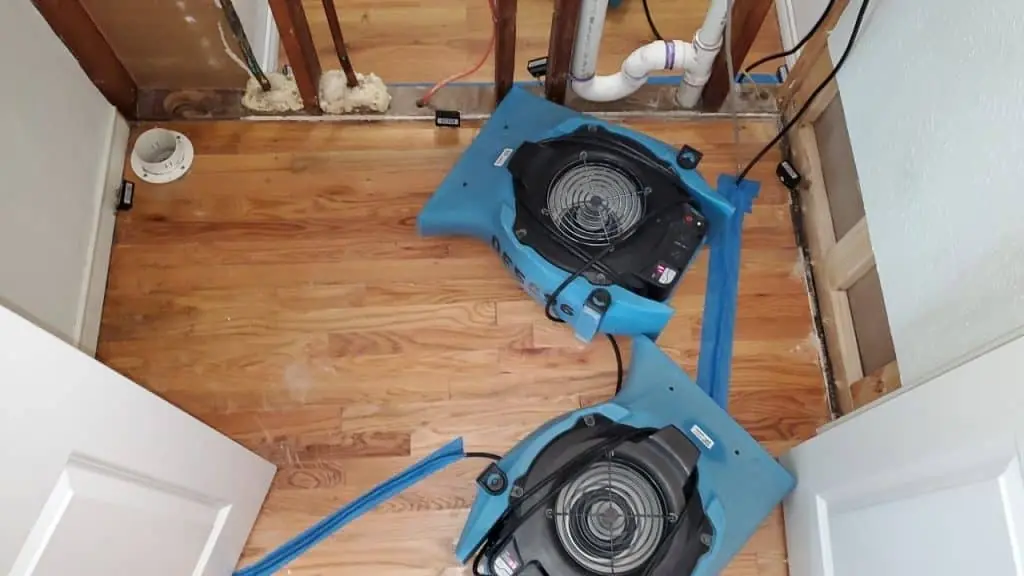
Drying out water damage on laminate flooring

What To Do Immediately After Water Damages Your Laminate Floor

If water spills or leaks onto laminate flooring, quick action can reduce the impact. Follow these steps right away:

  1. Stop the water source
    Turn off the water supply if a pipe, appliance, or plumbing fixture caused the leak.
  2. Identify the type of water
    Clean water from a pipe or sink is safer to handle. Gray or black water from appliances or sewage requires professional cleanup.
    Important: Gray water (dishwasher or washing machine overflow) and black water (sewage) can contain bacteria and health hazards. Avoid DIY cleanup in these situations.
  3. Remove standing water
    Use towels, a wet vacuum, or extraction equipment to remove water as quickly as possible. Professional water extraction helps prevent moisture from spreading beneath the flooring.
  4. Move furniture and rugs
    Clear the area so air can circulate and help the floor dry.
  5. Remove damaged planks if possible
    If the flooring system allows it, carefully lift affected boards so trapped moisture can escape.
  6. Use fans and a dehumidifier
    Keep indoor humidity between 30 and 50% to speed drying
  7. Avoid direct heat
    Do not use heat guns or heaters. High heat can cause laminate planks to warp even more.
  8. Call a water damage restoration professional
    If water has been present longer than 24 hours or if you suspect hidden damage, professional drying equipment may be necessary.

Can Water-Damaged Laminate Flooring Be Repaired or Replaced?

Many homeowners are concerned about whether they can repair laminate floor water damage. The answer depends on how much moisture the floor absorbed and how long the water remained.
Minor spills often allow simple drying and repairs. Severe swelling or mold usually requires plank replacement or full flooring replacement.

ScenarioRecommended Action
Minor spill cleaned within 1–2 hoursDIY drying, likely salvageable 
Water present for 24–48 hours with no swellingProfessional drying assessment
Visible buckling or swollen planksReplace damaged planks
Mold visible or suspectedProfessional mold remediation required
Wet or soft subfloorFull professional inspection needed
Sewage or contaminated waterFull replacement + professional remediation

According to the Insurance Information Institute, water damage is one of the most common homeowners insurance claims in the U.S. Homeowners should document any floor damage before repairs to best support their claim.

How To Repair Water-Damaged Laminate Flooring (Minor Damage)

Minor, localized laminate floor water damage can often be repaired, especially if the spill was small and the area was dried quickly.

How to repair water-damaged laminate flooring:

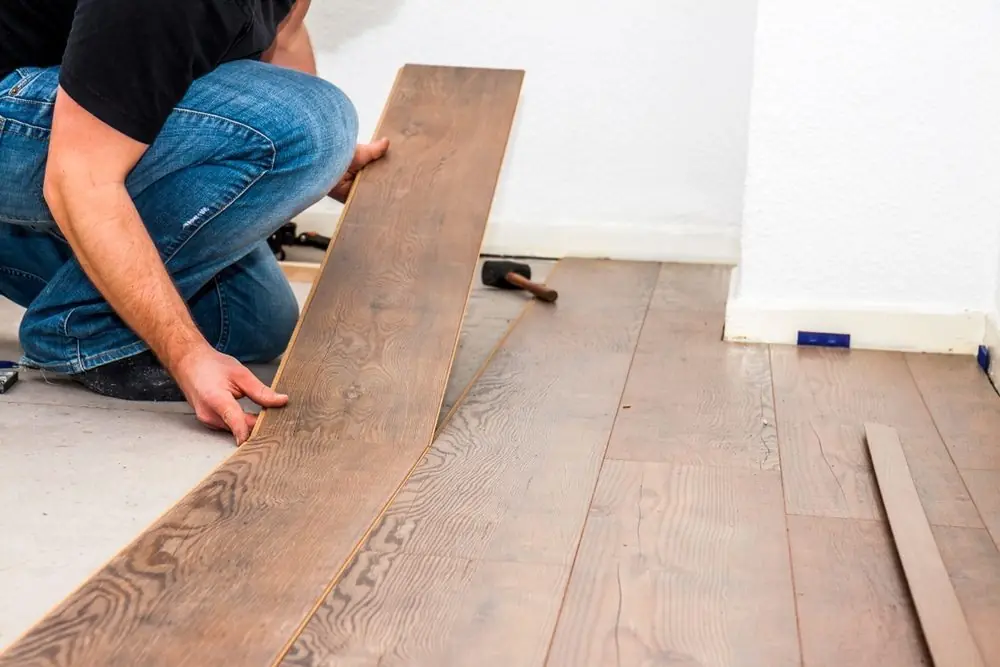
  1. Identify the affected area and confirm which planks show swelling, warping, or staining.
  2. Remove baseboards or trim near the damaged section to access the flooring edge.
  3. Begin removing planks from the nearest wall or doorway, working toward the damaged area.
  4. Lift the planks carefully using the click-lock system—avoid forcing them to prevent additional damage.
  5. Inspect the underlayment and allow it to dry completely. Replace it if it’s wet, moldy, or deteriorated.
  6. Check the subfloor for moisture and ensure it is fully dry before reinstalling flooring.
  7. Install replacement planks, matching the batch or dye lot when possible, for a consistent look.
  8. Reinstall baseboards and trim to finish the repair.

If damage is extensive or has reached the subfloor, contact a water damage specialist right away.

How to Repair Laminate Flooring With Water Damage

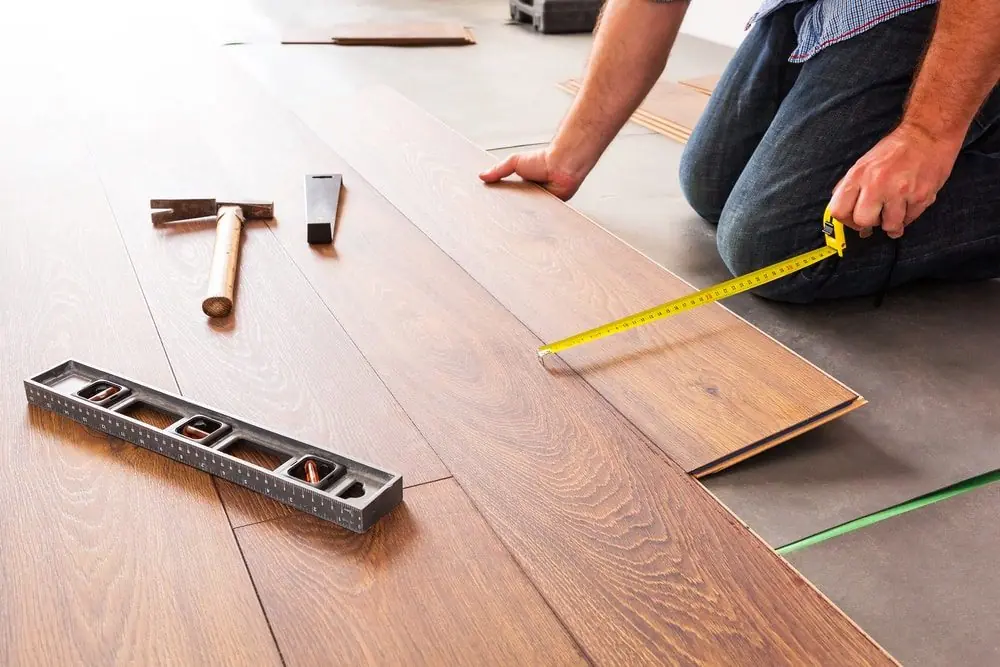
Prepare Tools

To properly repair water damage, you need the appropriate tools:

  • Safety glasses
  • Putty knife
  • Flooring adhesive
  • Measuring tape
  • Utility knife
  • Pliers
  • Hammer
  • Cleaning solvent
  • Replacement underlayment material

Remove the Damaged Planks

Once you have all the materials to repair water-damaged laminate, the next step is to remove the damaged planks.

  • Start by pulling the damaged planks carefully. Use a putty knife on the damaged edges.
  • Remove the entire board, even if a small part of the plank is damaged. If you don’t, the plank’s condition will worsen over time.
  • After rooming the plank, you should see the exposed floor beneath.
  • Check the bare floor for signs of mold and clean with disinfectant before installing the new planks.

Tips & Insights: Steps to Fix Water Damage On Plaster Walls In Your Home

Replace the Damaged Planks

Check the replacement planks and see if they fit perfectly on the bare floors. The next step to repairing laminate floors with water damage is to apply the adhesive and install the new flooring in the correct location. After they are in the correct spot, put a heavy object on the new laminate flo

Fixing Small Bubbles in Laminate Flooring

Sometimes small bubbles form on the laminate surface. In minor cases, professionals inject adhesive under the bubble and press the surface flat. This repair only works when the moisture damage is very small, and the plank core has not swollen.

When To Call a Water Damage Restoration Professional

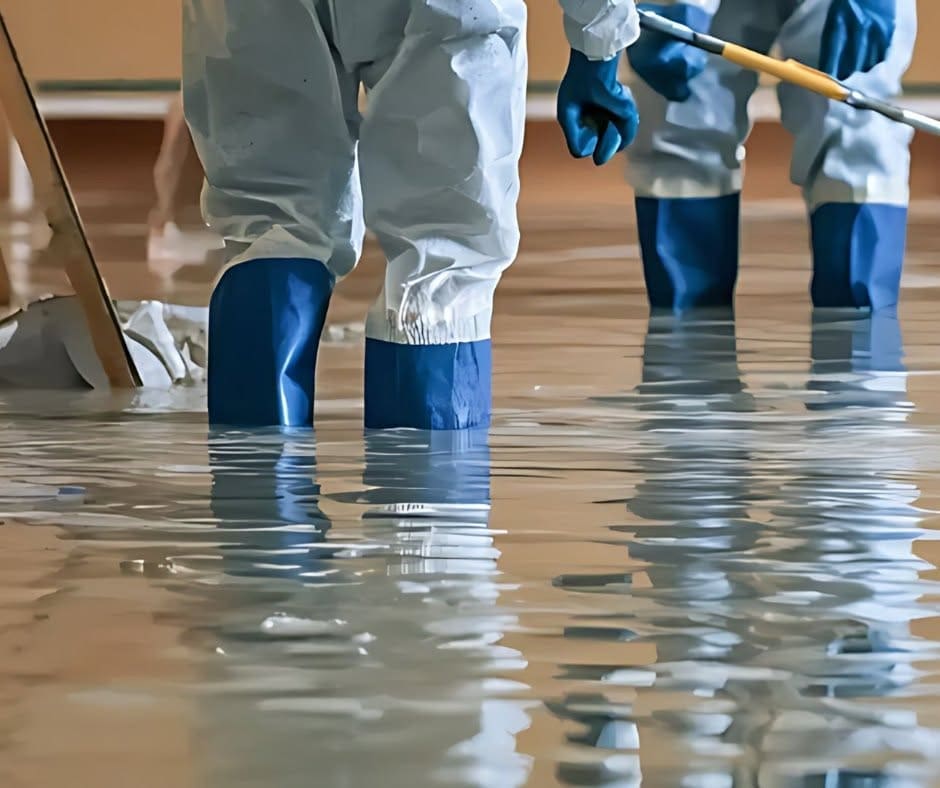
Major laminate flooring damage requires professional help. Water damage specialists have the equipment and experience needed to fully dry the area and prevent moisture from spreading beneath the surface.

Call a professional if:

  • Water has been present for more than 24 hours
  • You notice a moldy or musty odor
  • Visible mold is forming on the floor or nearby surfaces
  • The subfloor feels soft or shows signs of moisture
  • The water source involved a sewage backup, dishwasher leak, or appliance overflow
  • The damage covers a large area or extends into multiple rooms
  • You’re unsure whether moisture has reached the subfloor

At Dry Force, our certified water damage restoration specialists use moisture meters and thermal imaging to detect hidden moisture that is not visible to the eye.

Quick Self-Check: Is Your Laminate Floor Saveable?

Worried about water-damaged laminate flooring? Use this quick checklist to evaluate the damage.

  • Was the water present for less than 2 hours?
  • Does the floor remain flat with no swelling or buckling?
  • Does the floor feel firm when you walk on it?
  • Do you notice no musty odor?
  • Did the water come from a clean source?
  • Is the damage limited to one small area?

If you answer yes to two or more questions, schedule a professional evaluation right away.

Frequently Asked Questions

How Do You Repair Water-Damaged Laminate?

Remove lingering water and wait until the flooring is dry. Then use wood glue or carpenter’s glue to adhere small sections of delaminated layers. Use a small amount of glue, then push down the area, wiping off excess glue. Then weigh down the repair area until it’s dry.

Can water damaged laminate flooring be repaired?

It depends on the cause and severity of damage. Minor spills that dry quickly may only require plank replacement or drying. Severe swelling, mold growth, or subfloor damage usually requires replacing sections of flooring.

How do you dry water under laminate flooring?

To dry water under laminate, remove trapped moisture using fans, dehumidifiers, or specialized drying equipment. In many cases, professional help is required to lift planks to dry the subfloor and underlayment properly.

What are the signs of water damage under laminate?

Common signs of water damage under laminate include warped planks, soft spots underfoot, musty odors, discoloration, and gaps between boards. These symptoms often indicate moisture trapped beneath the flooring.

Does laminate flooring need replacement after water damage?

Not always. Small spills that dry quickly may allow repair. Floors that swell, buckle, or develop mold typically require plank replacement or full flooring replacement.

Can water damaged laminate cause mold?

Yes. When moisture becomes trapped beneath laminate flooring, it can cause mold growth within as little as 24 hours.

Is waterproof laminate flooring actually waterproof?

Waterproof laminate protects against surface spills for a limited time. Water that seeps under the planks from leaks or flooding can still damage the flooring core.

How long does it take for water to damage laminate flooring?

Damage can begin within 1 to 2 hours once moisture reaches the fiberboard core. Swelling often starts within 24 hours, and severe warping may occur after several days.

Dry Force

We Turn Chaos Into Calm™

Give Us a Call:

Protect Your Water-Damaged Laminate Flooring With Dry Force

If water has affected your laminate flooring and you’re unsure how serious the damage may be, a professional inspection can help prevent larger structural problems down the road.

Dry Force technicians use advanced moisture detection tools to locate hidden water and begin the drying process quickly.

Schedule a free evaluation today and let our team help restore your home and peace of mind.

Contact Us

This field is for validation purposes and should be left unchanged.