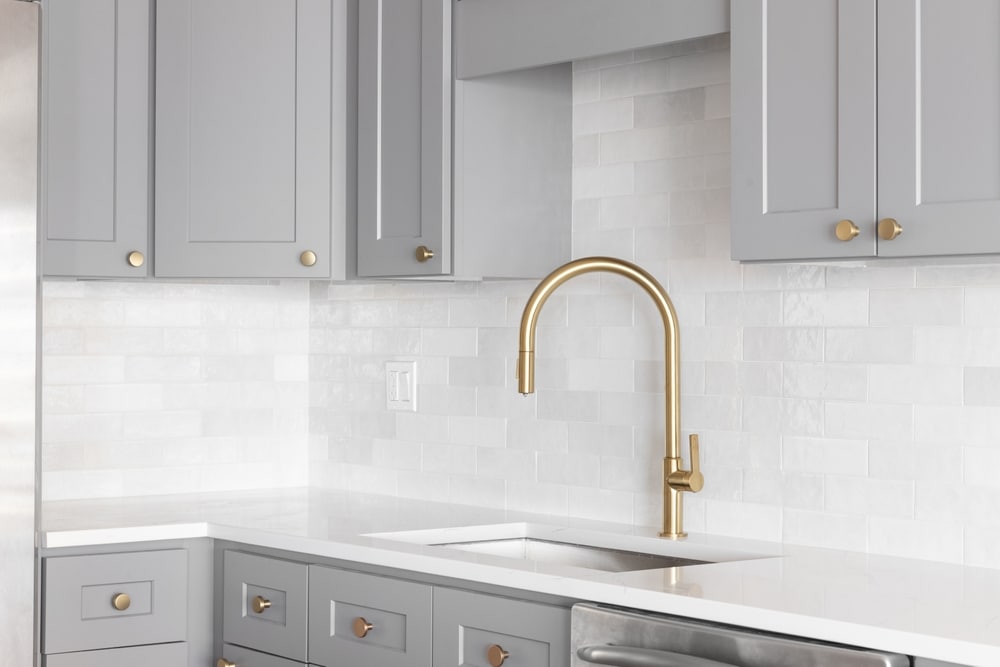
Water-damaged kitchen cabinets are one of the most common forms of damage homeowners face. Leaking pipes, appliances, or flooding can trap water, leading to swelling, peeling finishes, soft wood, or even mold growth.
Luckily, some cabinet water damage can be dried, repaired, or refinished if addressed early. Yet severe damage may require professional replacement.
This guide explains the causes of cabinet water damage, the warning signs to watch for, and how to fix water-damaged cabinets to prevent permanent damage.
Table of Contents
Common Causes of Water Damage in Kitchen Cabinets
In most homes, kitchen cabinet damage starts with a small leak or moisture buildup that slowly affects cabinet materials. Learning the common causes can help homeowners catch problems early—or prevent them altogether—so major repairs aren’t necessary.
Below are the most frequent reasons for water-damaged kitchen cabinets:
Leaking Sink Pipes
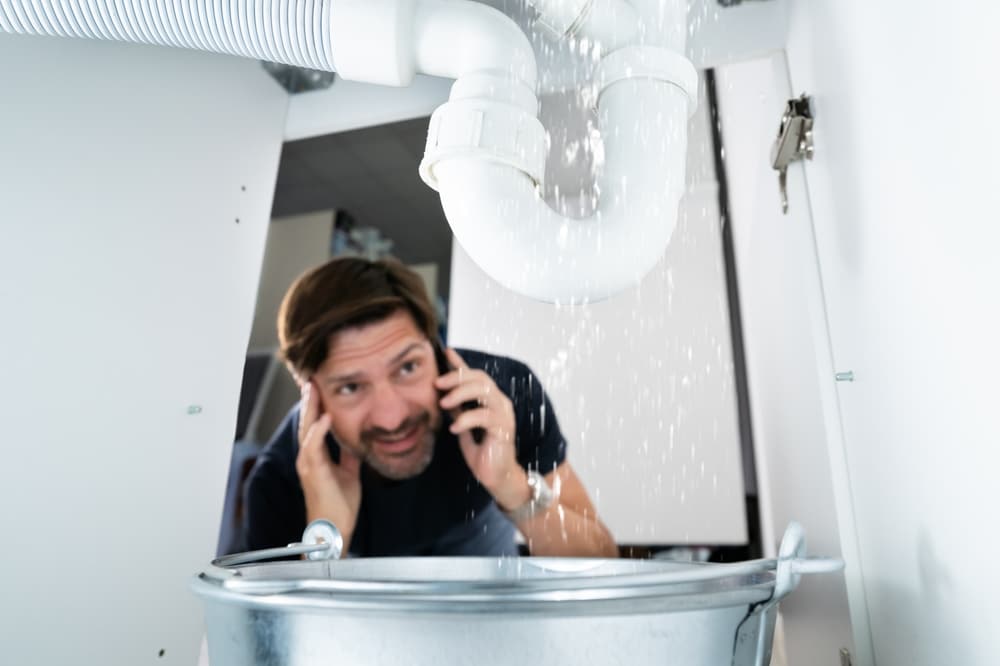
The space beneath your kitchen sink is one of the most common places for cabinet water damage. Pipes, supply lines, and drain connections are located directly inside the cabinet structure, so even a small drip can cause problems over time.
Typical issues include:
- Loose pipe fittings that slowly drip water
- Worn P-trap connections under the sink
- Condensation forming on cold water pipes
- Old plumbing seals that deteriorate over time
Dishwasher Leaks
Dishwashers sit directly beside or underneath cabinets, making them another common source of hidden water damage. When seals wear out or supply lines loosen, water can escape during wash cycles and spread into surrounding cabinetry.
Common dishwasher-related causes include:
- Worn door seals allow water to leak during operation
- Loose water supply connections
- Damaged drain hoses behind the appliance
- Overflowing dishwasher tubs
Refrigerator Water Lines
Many modern refrigerators include ice makers and water dispensers that rely on small supply lines that run behind the appliance. These plastic or copper lines can develop leaks as they age.
When a refrigerator line fails, water can accumulate behind cabinets or under the flooring before becoming visible. Potential warning signs include:
- Moisture behind the fridge
- Puddles near the cabinet base
- Warped cabinet panels beside the refrigerator
Flooding or Plumbing Failures
Larger water events can be especially detrimental to your kitchen. They’ll flood and soak kitchen cabinets within minutes, making swift action critical.
Common flooding and plumbing failures include:
- Burst plumbing pipes
- Overflowing sinks, tubs, or toilets
- Broken dishwasher supply lines
- Storm or basement flooding affecting the kitchen level
If flooding occurs due to a plumbing backup or appliance failure, homeowners should respond quickly to stop the water source and begin drying the affected areas.
Situations involving large leaks or flooding may require emergency water damage cleanup to prevent further structural issues.
Signs Your Kitchen Cabinets Have Water Damage
Before learning how to repair water-damaged cabinets, it’s important to recognize the early signs of moisture problems. Catching water damage early can help prevent more serious issues and improve the chances of repairing your cabinets rather than replacing them.
Common signs of water-damaged cabinets include:
- Swelling or Warping: Cabinet panels may look swollen, uneven, or bowed. You might also notice doors that no longer close properly, especially near sinks or dishwashers.
- Peeling Laminate or Finish: Water can cause the cabinet surface to bubble or peel. This often shows up as lifting laminate or peeling finishes around the sink area.
- Soft or Crumbling Wood: Cabinets exposed to moisture for too long will start to feel soft or weak. The cabinet bottom may sag, or the wood may crumble when touched.
- Musty Smell or Mold: A damp, musty odor when opening cabinets can signal trapped moisture. You may also see dark spots or mold forming along cabinet panels or in corners.
Can Water-Damaged Kitchen Cabinets Be Repaired?
Finding water-damaged kitchen cabinets can be frustrating, but the good news is that, in many cases, the damage can be repaired if caught early. Depending on how long the cabinets were exposed to water and how severe the damage is, you may need either repairs or a full replacement.
When Cabinets Can Be Saved
Kitchen cabinet repair is often best for limited water exposure, where the structure is still intact.
Common repair scenarios include:
- Minor swelling in wood panels: Small swollen areas may shrink back as the cabinets dry, especially with solid wood materials.
- Surface damage to finishes or laminate: Peeling laminate or chipped paint can often be fixed with sanding and refinishing.
- Limited water exposure from small leaks: Slow drips from sink pipes or minor plumbing leaks usually affect only the cabinet base and can often be repaired if caught early.
- Cabinet doors or trim damage: Individual doors, drawer fronts, or trim pieces can often be replaced without replacing the entire cabinet.
Once the moisture source is addressed, minor damage can often be fixed with drying, refinishing, or small repairs.
When Replacement Is Necessary
Cabinet replacement is necessary when water damage causes permanent structural damage. This occurs when water sits for too long, weakening cabinet materials.
Cabinet replacement is needed for:
- Severe warping or twisting
Cabinet frames that have lost their shape may no longer function properly. - Mold infiltration
Mold growth within cabinet materials can create health risks and requires affected materials to be removed. - Structural collapse of cabinet bases
If cabinet floors or supports become soft or sag under weight, replacement is typically required.
At this point, it’s critical to remove trapped moisture and prevent further damage to surrounding areas like flooring, walls, or adjacent cabinets.
How To Fix Water-Damaged Kitchen Cabinets (DIY Steps)
If you’ve spotted water damage in your kitchen cabinets, acting quickly can help prevent further issues. For minor damage, homeowners can follow these steps before calling a professional.
Step 1: Stop the Water Source
Start by finding where the water is coming from. Check for leaking pipes, appliances, or standing water in sinks and stop the source to prevent moisture from spreading. Once the leak is fixed, you can proceed with drying and repairs.
Step 2: Remove Items and Dry Cabinets
Take everything out of the cabinets to restore airflow and reduce the risk of mold. To speed drying:
- Remove shelf liners or coverings
- Keep doors open for ventilation
- Use fans or a dehumidifier to remove moisture
Drying usually takes 24 to 72 hours, depending on the severity of the leak. During this time, check for soft spots or continued swelling.
Step 3: Sand Swollen Wood
Water may raise the wood grain or cause edges to swell. After the cabinets are completely dry, sanding helps restore a smooth surface.
- Use fine-grit sandpaper
- Focus only on the affected areas
- Wipe away dust before refinishing
This method works best for solid wood or plywood.
Step 4: Repair or Refinish Surfaces
After sanding, address cosmetic damage like peeling paint, laminate, or small cracks. Depending on the finish:
- Apply wood filler to damaged spots
- Repaint or restain surfaces
- Reattach the separated laminate
- Replace damaged trim pieces
Refinishing restores the look of your cabinets and helps protect them from future moisture.
Step 5: Replace Severely Damaged Panels
If cabinet doors or bases stay warped or soft after drying, some panels may need to be replaced.
Common components that can be replaced individually include:
- Cabinet doors
- Drawer fronts
- Base panels
- Decorative trim or molding
Replacing damaged pieces can restore the cabinet’s look while keeping the rest of the structure intact. If multiple sections or the frame are compromised, more extensive replacement may be required.
When To Call a Water Damage Restoration Professional
Minor cabinet water damage can sometimes be handled with DIY fixes, but larger water issues usually require professional help.
Call a water damage restoration professional if you notice:
- Large plumbing leaks or flooding
- Hidden moisture behind cabinets
- Persistent musty odors or mold growth
- Soft or deteriorating cabinet structures
- Water spreading to floors, walls, or surrounding areas
Professionals use specialized tools, such as moisture meters, infrared cameras, air movers, and dehumidifiers, to locate and remove hidden moisture and restore affected areas before long-term problems develop.
How To Prevent Water Damage in Kitchen Cabinets
The best way to protect your kitchen cabinets is to catch moisture early and keep plumbing and appliances in good condition. Even small leaks near sinks, dishwashers, or refrigerators can lead to lasting damage.
To reduce the risk of cabinet water damage:
- Check plumbing under the sink for leaks or condensation
- Inspect dishwasher and refrigerator water lines regularly
- Seal cabinet surfaces as finishes wear
- Wipe up spills promptly to prevent moisture from seeping in
- Install leak detectors under sinks or behind appliances
If a leak does occur, schedule a professional water damage restoration with Dry Force to ensure the area is fully dried and restored.
Frequently Asked Questions About Water Damaged Cabinets
Can swollen cabinets go back to normal?
It depends on the severity of damage. Mild swelling can sometimes be sanded or dried; however, severe swelling may be permanent and require a replacement.
How long does it take cabinets to dry after water damage?
Cabinets usually take 24 to 72 hours to dry, depending on the severity of damage and how long moisture has been present. Using fans and a dehumidifier can help speed up the drying process and prevent further damage.
Is mold dangerous in kitchen cabinets?
Mold can begin growing rapidly after cabinet water damage. It requires immediate remediation to avoid health risks and decreased indoor air quality. If mold appears or a strong musty smell develops, seek professional drying or remediation right away.
Should I replace cabinets after a leak?
It depends on the severity of damage, the materials affected, and how long the water was present. Minor water exposure may only require drying and cosmetic repairs. However, cabinets that are severely warped, soft, or structurally damaged may need to be replaced to prevent further issues.
Get Help With Water Damage in Your Kitchen
Dealing with water-damaged kitchen cabinets? The Dry Force team can quickly assess the damage, locate hidden moisture, and help restore your cabinets to their best condition. We’re here to help you prevent lasting water damage and get back to a safe, dry, and beautiful kitchen.
Schedule a free evaluation today to get started.