A burst pipe, flash flood, or appliance leak can leave Texas homeowners racing against the clock as water spreads through their property. Understanding the water damage restoration process is critical because Texas humidity can accelerate secondary damage and increase repair complexity if property owners delay action.
At Dry Force, our IICRC-certified team helps property owners across Texas recover from water damage caused by storms, flooding, plumbing failures, and frozen pipes. Here’s what to know about the professional water damage restoration process, including the essential steps taken to restore your property and prevent further damage.
Understanding Water Damage Restoration vs. Water Mitigation
The water damage restoration process begins with mitigation, which focuses on stopping the damage and removing water. Restoration comes next and involves cleaning, repairing, and restoring the property to its pre-loss condition.
| Water Mitigation | Water Restoration |
|---|---|
| Removes water and prevents further damage | Repairs and restores affected areas |
| Begins immediately after damage occurs | Starts after drying is complete |
| Typically takes 1-3 days | May take several days or longer, depending on the damage |
If you’re dealing with active emergency water damage, water mitigation services are your priority. Fast water removal and drying reduce repair costs and shorten the overall restoration timeline.
What Qualifies as Water Damage That Needs Professional Restoration
Water damage is classified by contamination level, which determines the required cleanup methods.
Water Damage Categories
- Clean Water (Category 1): Water from supply lines, appliance leaks, or rainwater intrusion.
- Gray Water (Category 2): Water that may contain contaminants, such as washing machine or dishwasher discharge.
- Black Water (Category 3): Sewage, floodwater, or heavily contaminated water that poses serious health risks.
Prolonged stagnant water poses equally concerning safety risks.
The Role of Insurance in the Restoration Process
If you plan to file an insurance claim, document the damage as soon as possible and notify your carrier. Restoration professionals provide photos, moisture readings, and other records that help support your claim.
The Complete 4-Step Water Damage Restoration Process
Understanding the water damage restoration steps will prepare you for what to expect throughout the recovery process.
Step 1: Emergency Contact and Initial Assessment (0-1 Hour)
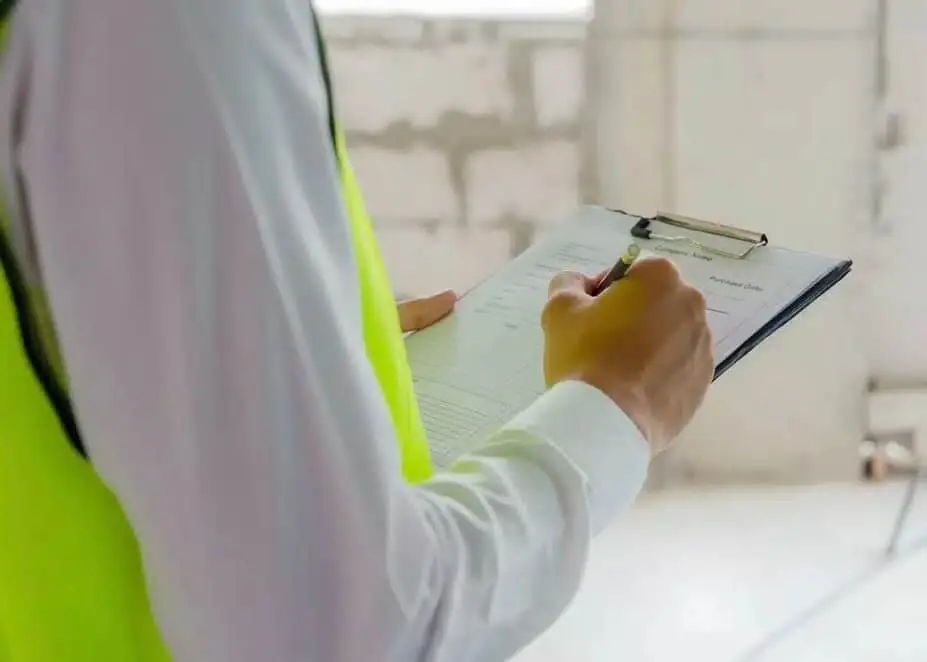
The professional water damage restoration process begins with an emergency response and inspection. Technicians evaluate the extent of the damage, identify safety concerns, and determine the best course of action.
This may include:
- Inspecting affected areas
- Identifying the water source
- Measuring moisture levels
- Creating a restoration plan
Step 2: Water Extraction and Moisture Detection (1-24 Hours)
Fast extraction is critical for limiting further damage. Technicians remove standing water as quickly as possible using professional extraction equipment. They then use moisture meters and other tools to identify hidden moisture behind walls, under flooring, and in structural materials.
Step 3: Drying and Dehumidification (2-5 Days)
Once technicians remove visible water, they use industrial air movers and dehumidifiers to dry the property. In Texas, humidity can slow the drying process, making professional equipment especially important.
Daily monitoring helps ensure moisture levels continue to decline. The goal of this phase is to prevent mold growth and structural damage.
Step 4: Cleaning, Sanitizing, and Restoration (3-14 Days)
The final phase includes cleaning affected materials, sanitizing impacted areas if needed, and restoring damaged portions of the property. Depending on the extent of the damage, restoration may require minor repairs or full-scale rebuilding efforts.
Before the project is complete, technicians verify that affected areas have been properly dried and restored.
Professional vs DIY Water Damage Restoration
Property owners can often clean up minor spills and small clean-water leaks without professional help. However, you should call a restoration professional if:
- Water has been standing for more than 24 hours
- More than one room is affected
- Water has soaked into walls, flooring, or ceilings
- The source involves sewage, floodwater, or contamination
- You’re unsure how far the moisture has spread
Equipment and Expertise Requirements
Homeowners and restoration professionals have options for addressing water damage, but the equipment available and the level of moisture detection can vary significantly.
| DIY Equipment | Professional Equipment |
|---|---|
| Household wet/dry vacuum | Commercial-grade water extractors |
| Portable dehumidifier | Industrial dehumidifiers |
| Box fans or ceiling fans | High-powered air movers |
| Visual inspection | Moisture meters and moisture mapping equipment |
| No specialized training | IICRC-certified restoration technicians |
Hidden Damages Only Professionals Can Detect
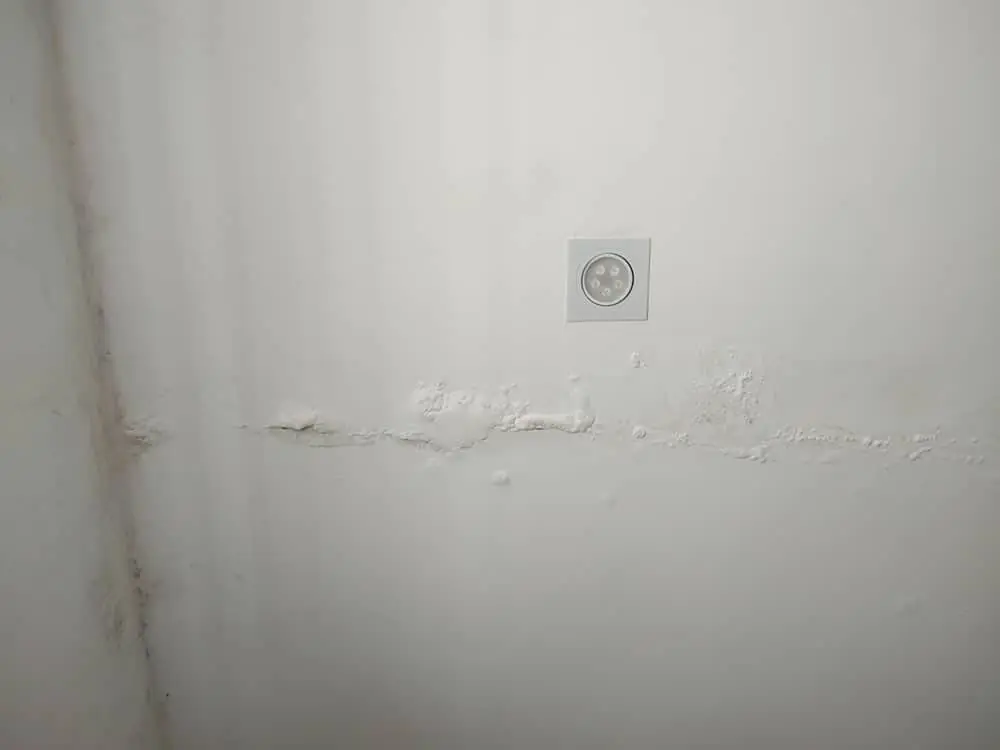
Even when surfaces appear dry, moisture can remain trapped behind walls, under flooring, and inside structural materials. Finding and removing hidden moisture early prevents additional damage and reduces repair costs.
Professionals use specialized tools to locate hidden moisture, including:
- Thermal imaging cameras
- Moisture mapping equipment
- Structural moisture testing
Common Water Restoration Process Mistakes to Avoid
Even small mistakes during cleanup can leave moisture behind, delay your insurance claim, or increase the amount of repair work needed.
Common mistakes include:
- Waiting too long to start cleanup
- Assuming surfaces are completely dry
- Using the wrong drying equipment
- Failing to document the damage
- Attempting to clean contaminated water yourself
Timing-Related Mistakes
The first 24-48 hours are critical because water can quickly soak into drywall, flooring, insulation, and other porous materials. Delaying cleanup can increase the risk of structural damage, prolong drying times, and create conditions for mold growth. This often leads to more extensive repairs and higher restoration costs.
Documentation and Communication Errors
Before cleanup begins, take photos and videos of affected areas and, when possible, keep records of damaged belongings. If you’re filing an insurance claim, maintain communication with your insurance provider and save any restoration-related documentation.
Factors That Affect Restoration Timeline and Cost
One of the most common questions property owners ask is, “How does the water damage restoration process work, and how long will it take?”.
The answer depends on several factors, including the extent of the damage, type of water involved, materials affected, and how quickly restoration begins.
Climate Considerations
Texas weather significantly affect the restoration timeline.
Factors include:
- Texas humidity: High humidity can slow drying times.
- Type of water involved: Contaminated water typically requires additional cleaning and sanitization.
- Affected materials: Drywall, insulation, and flooring often take longer to dry or may need replacement.
- How long the water sat: Delays can increase the extent of damage and the scope of restoration work.
Cost Variables and Insurance Coverage
The cost of water damage restoration projects varies depending on the scope of the damage and the repairs required. Insurance coverage may also affect out-of-pocket expenses and the overall claims process.
Factors include:
- The extent of the damage: Larger affected areas typically require more time and resources.
- Affected materials: Drywall, flooring, cabinetry, and insulation may need repair or replacement.
- Reconstruction needs: Some projects require repairs beyond drying and cleanup.
- Insurance coverage: Coverage limits, deductibles, and policy terms can affect out-of-pocket costs.
Water Damage Restoration Process FAQs
How long does the water damage restoration process take?
Most residential projects take 3-14 days, depending on the extent of the damage, the type of water involved, and the affected materials.
What’s the difference between water damage restoration and mitigation?
Mitigation focuses on preventing further damage and removing water, while restoration involves cleaning, repairing, and returning the property to its pre-damage condition.
Can I start the water damage restoration process myself?
Minor clean-water incidents may be manageable, but contaminated water, structural damage, or widespread moisture typically require professional restoration.
When should I call a water damage restoration company?
Contact a professional as soon as possible for situations involving contaminated water, significant damage, electrical hazards, or hidden moisture.
What equipment is used in professional water damage restoration?
Professionals use commercial-grade extractors, dehumidifiers, air movers, moisture meters, and thermal imaging equipment to locate and remove moisture.