If you’re wondering who to call for water damage, acting quickly can help limit damage and protect your insurance claim. The first 24 to 48 hours are critical, so knowing who to call first can save you time, money, and stress.
Quick Answer: Who to Call for Water Damage
- Call a water damage restoration company first if water is spreading or has soaked into your home.
- Call a plumber if a burst pipe, appliance, or plumbing fixture is still leaking.
- Notify your insurance company within 24 hours to start the claims process.
- For ceiling or wall damage, call a restoration company before a contractor to locate and dry hidden moisture before repairs begin.
Dry Force has helped homeowners recover from water damage across Dallas, Fort Worth, Houston, Austin, San Antonio, and throughout Texas. Below, we’ll explain who to call first, when to involve other professionals, and what to expect every step of the way.
The Short Answer — Who to Call First When Water Damage Happens
When determining who to call for water damage in your house, there are typically three separate parties to contact:
- Water Damage Restoration Company: If water has spread into your floors, walls, or ceilings, call a restoration company. They extract water, dry your home, and help prevent mold before repairs begin.
- Plumber: If a burst pipe, broken supply line, or leaking appliance is still causing the damage, call a plumber. The plumber stops the water source, while the restoration company handles the cleanup and drying.
- Your Insurance Company: Report the damage as soon as possible after the emergency is under control. Prompt reporting helps support your claim and avoid unnecessary delays.
If a roof leak or storm damage is the source of the water, skip the plumber unless there’s a plumbing issue. Instead, contact a restoration company right away and schedule a qualified roofing contractor to repair the source.
What a Water Damage Restoration Company Does
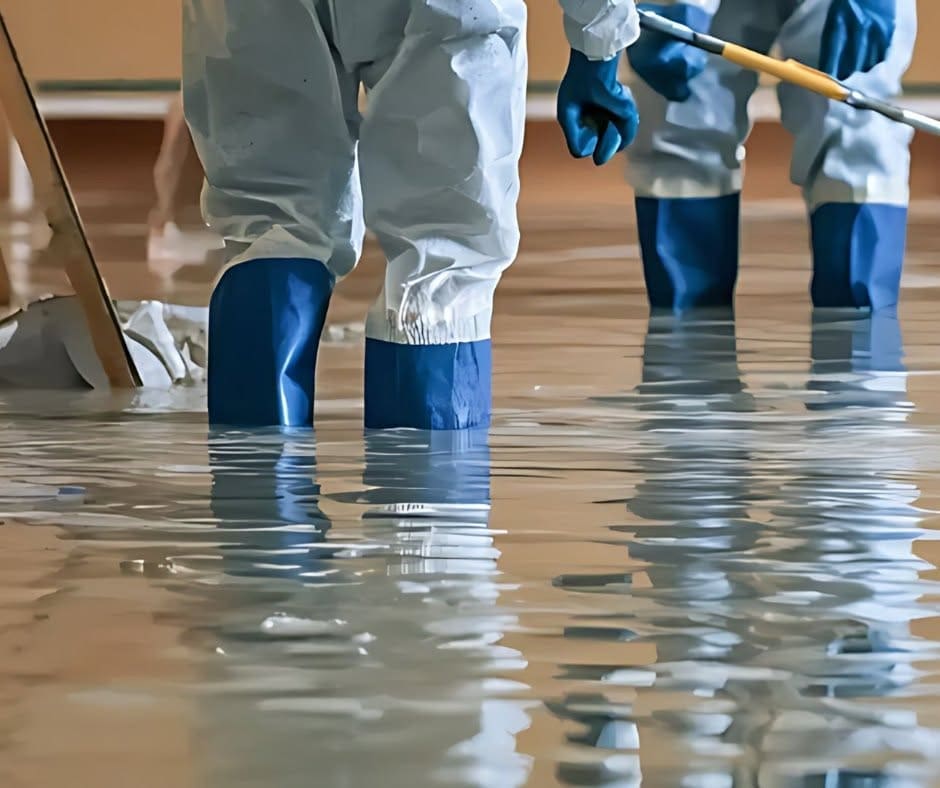
A restoration company removes standing water and follows a proven process to dry your home and prevent additional damage.
Water Damage Restoration Process:
- Extract standing water before it spreads further.
- Dry the structure with commercial air movers and dehumidifiers.
- Locate hidden moisture using thermal cameras and moisture meters.
- Help prevent mold by drying affected materials within the first 24 to 48 hours.
When to Call a Plumber vs. a Restoration Company
A plumber stops the leak. A restoration company removes the water and dries your home.
If a pipe bursts under your sink, call both at the same time. If water enters through a roof leak, foundation wall, or storm, call a restoration company first. In those cases, no plumber is typically needed.
Who to Call Based on Where the Water Damage Is
The location of the water damage can help determine who to call first. Here’s what to do based on where the damage appears.
Who to Call for Water Leak in the Ceiling
If you’re wondering who to call for ceiling water damage restoration, start with a water damage restoration company rather than a drywall contractor.
Ceiling stains often represent only a small portion of the affected area because water can travel through joists and insulation before becoming visible. Restoration professionals use moisture meters and thermal imaging to locate hidden moisture before repairs begin.
If the damage is below a bathroom, call a plumber as well to repair a leaking supply line, drain, or toilet seal.
Who to Call for Water Leak in the Wall
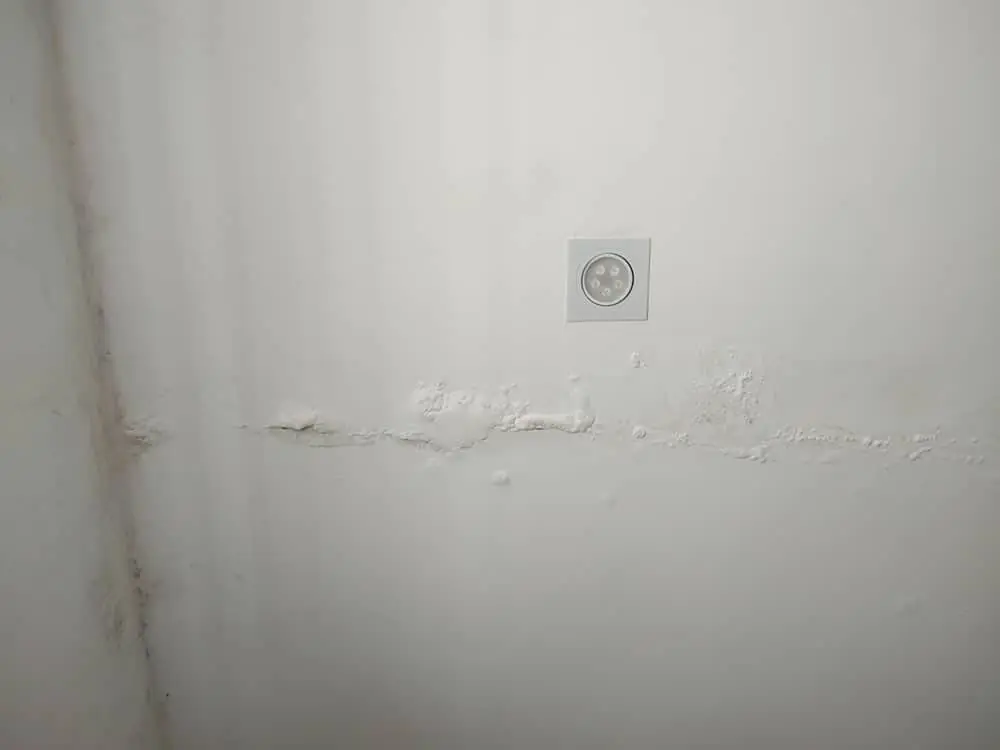
If you notice bubbling paint, warped drywall, or unexplained stains, call a water damage restoration company first. They use thermal imaging and moisture meters to find hidden water without opening every wall.
Avoid calling a drywall contractor first. Walls can trap moisture behind drywall and insulation, allowing mold to begin growing within 24 to 48 hours if the area isn’t properly dried. Restoring the wall before removing hidden moisture can make the problem worse.
Who to Call for Water Damage to Flooring
If you’re searching for who to call for water damage to flooring, a water damage restoration company should also be your first call. They remove water from flooring, padding, and subfloors using professional extraction and drying equipment, which may help prevent full replacement.
Different flooring materials react differently to water. Hardwood can cup or buckle, laminate can separate, and carpet padding can stay wet long after the surface feels dry. Even with tile floors, moisture can seep beneath the grout and damage the subfloor underneath.
Who to Call for Water Damage in Texas — What’s Different
Are you wondering who to call for water damage in Dallas? The answer is the same across Texas: call a water damage restoration company first. It’s important to remove water from affected areas before moving on to restoration. Texas humidity can speed up mold growth, and widespread storms or freeze events can delay response times, so acting quickly is important.
Dry Force serves homeowners throughout Dallas, Fort Worth, Houston, Austin, Frisco, San Antonio, and the surrounding communities.
What to Do While Waiting for the Restoration Company
Before help arrives:
- Shut off the water main if a pipe is leaking.
- Turn off power if water is near outlets or electrical fixtures.
- Move valuables off wet floors.
- Don’t run ceiling fans beneath wet ceilings.
- Take photos and videos before moving damaged items.
Avoid using a household wet/dry vacuum. It removes surface water but can’t dry moisture trapped beneath floors or inside walls. If you need immediate help, contact Dry Force’s emergency water damage response team.
Will Insurance Cover the Cost?
Most Texas homeowners policies cover sudden water damage, such as burst pipes or appliance overflows. However, they typically exclude gradual leaks, flooding, and sewer backups without additional coverage.
To help protect your claim, document the damage before cleanup and notify your insurance company promptly. Our team works directly with insurance companies and provides the documentation needed to support the restoration process.
Mistakes to Avoid When Water Damage Happens
Avoiding these common mistakes can help reduce damage, lower repair costs, and keep your insurance claim on track:
- Waiting because the damage looks minor: Water can spread behind walls, under floors, and above ceilings before you see it. A small stain may indicate much larger hidden damage.
- Calling a contractor before a restoration company: Contractors repair damage after the structure is dry. Restoration companies remove moisture first to help prevent mold and further damage.
- Assuming the plumber handles everything: A plumber stops the leak but doesn’t extract water, dry building materials, or check for hidden moisture. In many cases, you’ll need both professionals.
- Relying on household fans or dehumidifiers: Household equipment can dry surface moisture but can’t reach water trapped inside walls, flooring, or insulation. Professional drying equipment removes hidden moisture.
- Delaying your insurance claim: Report the damage as soon as possible and document everything before cleanup begins. Waiting too long can complicate the claims process.
The Mold Timeline: Why Speed Matters More Than Most Homeowners Think
Mold can begin growing on wet building materials within 24 to 48 hours, especially in warm, humid conditions. Starting professional drying as soon as possible can help stop mold, remove stagnant water, and prevent more extensive repairs.
FAQs — Who to Call for Water Damage
Should I call a plumber or a water damage company first?
Call a water damage restoration company first if water has spread through your home. Call a plumber if a pipe or appliance is still leaking, and in many cases, contact both at the same time.
Does homeowners insurance cover water damage restoration?
Most Texas policies cover sudden water damage, such as burst pipes or appliance overflows, but not gradual leaks, flooding, or sewer backups without additional coverage.
Who do I call for water damage in my ceiling?
Call a water damage restoration company first, not a drywall contractor. They locate and dry hidden moisture before repairs begin, helping prevent mold and further damage.
How fast does mold grow after water damage?
Mold can begin growing within 24 to 48 hours on wet building materials. Prompt professional drying helps reduce the risk of mold and additional damage.
What should I do immediately after water damage before help arrives?
Shut off the water and electricity if it’s safe, document the damage, and avoid using household fans or ceiling fans. Then contact a restoration company as soon as possible.
Who do I call for water damage in Dallas?
Contact a professional water damage restoration company immediately if water is actively spreading or has soaked into your home. Our team at Dry Force serves the Dallas metropolitan area for water restoration.