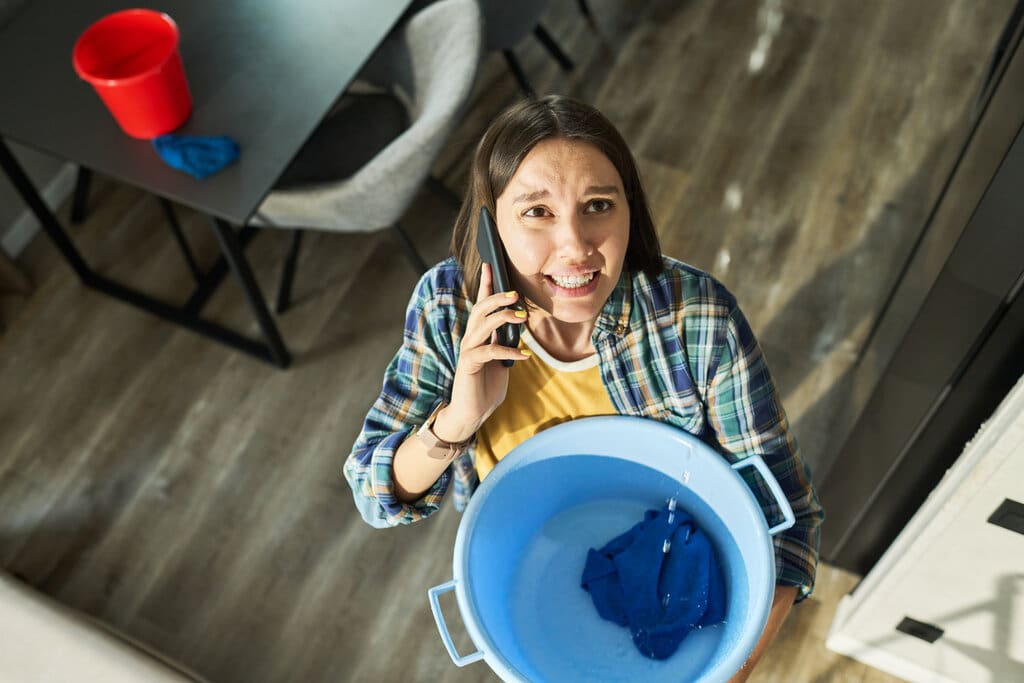
A water bubble in the wall usually means moisture has reached the drywall or paint, causing the surface layers to separate. If you notice a raised or blistered area, itis usually more than a cosmetic problem, especially after heavy rain or near a bathroom or kitchen. Don’t patch or paint over it yet. The first step is finding where the water is coming from.
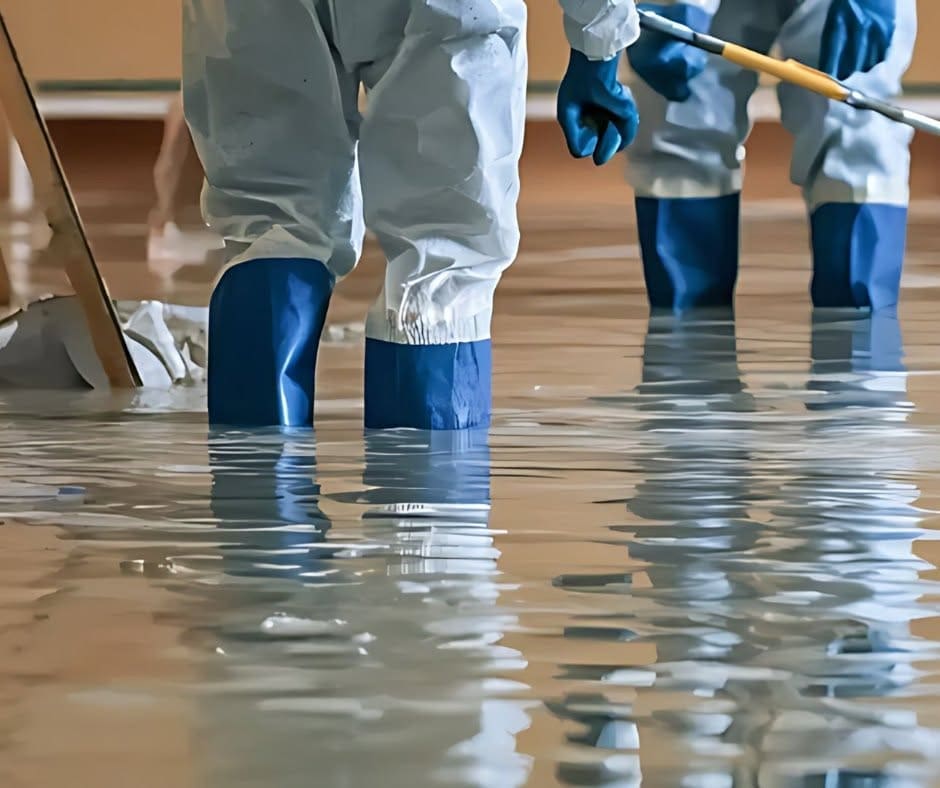
At Dry Force, we have completed 40,000+ water restoration projects throughout Texas, where a wall bubble can be the first visible sign of a hidden leak or moisture problem. Below, we’ll explain the warning signs, common causes, whether you should pop the bubble, and how to fix the wall correctly.
Warning Signs A Wall Water Bubble Might Form
A bubble can appear suddenly, but there are often warning signs before the wall begins to swell.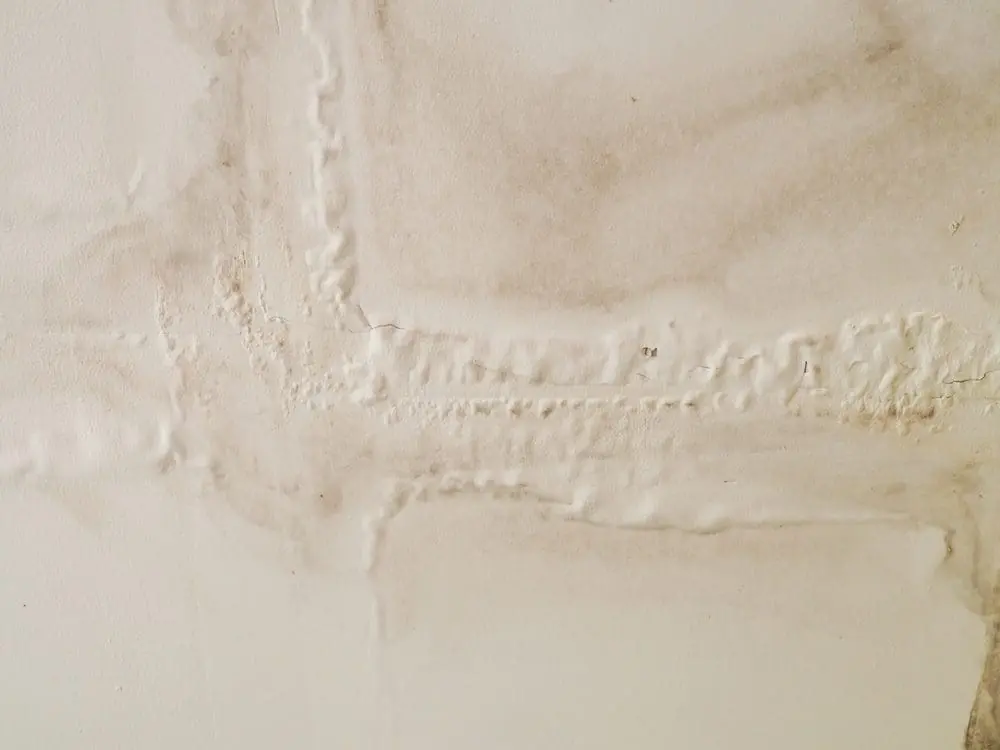
-
Visible paint bubbling or blistering: Paint that lifts, wrinkles, or separates from the wall can indicate excess moisture underneath.
-
Stains or discoloration: Brown, yellow, or dark spots may indicate that water has already moved through the drywall.
-
Soft or spongy drywall: A wall that feels soft when gently pressed may have moisture damage beneath the surface.
-
Musty odors: A persistent damp or earthy smell near the affected wall can indicate an ongoing moisture problem and possible hidden mold.
What Causes a Water Bubble in Your Wall?
Finding the source is the most important part of the repair. Painting or patching the area without correcting the moisture problem will not provide a lasting fix.
Common causes include:
-
Leaking pipes: A leaking supply or drain line can wet the drywall from behind. As the drywall and paint absorb moisture, the surface may blister or separate.
-
Roof leaks: Water can enter through damaged roofing and travel along framing before becoming visible. This means the bubble may appear several feet away from the actual roof leak.
-
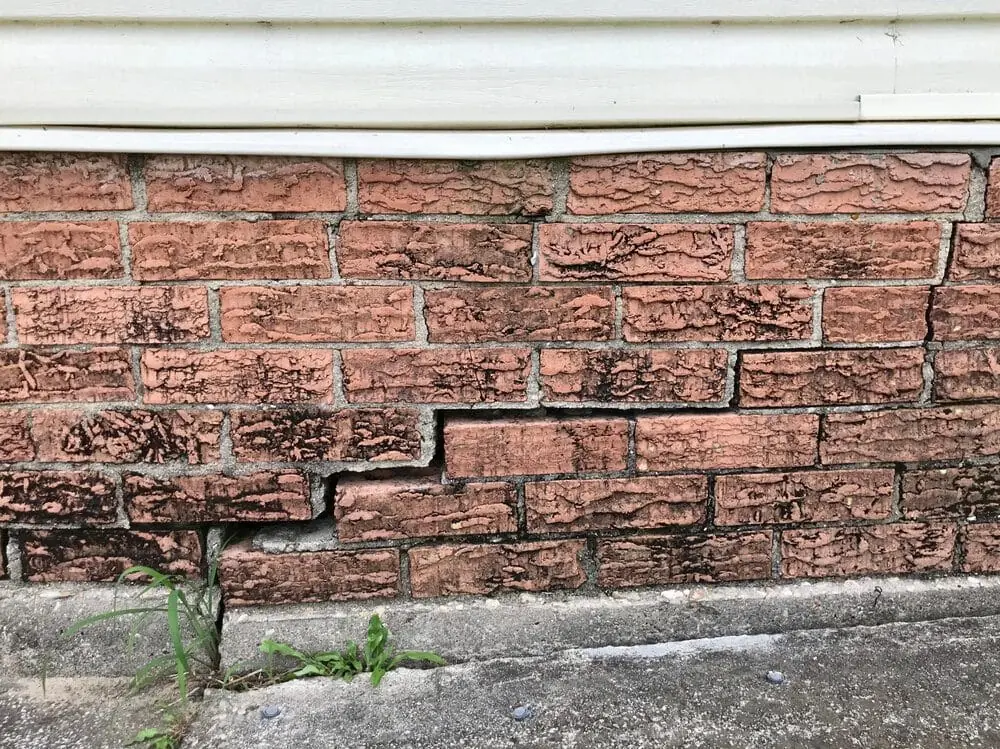
Exterior water intrusion: Failed caulking or gaps around windows, doors, siding, and other exterior openings can allow rainwater into the wall.
-
High indoor humidity: Moist air can condense on cooler surfaces. Over time, repeated condensation can contribute to damp drywall and peeling or bubbling paint.
-
Bathroom and kitchen moisture: Steam, splashes, and poor ventilation can create recurring moisture problems around showers, sinks, and other high-humidity areas.
Why Rain Events Specifically Cause Wall Bubbles
A water bubble in your wall after rain often points to exterior water intrusion. Rain can enter through gaps around windows, doors, siding, or roof-to-wall joints, then travel behind the wall before becoming visible. If the bubble repeatedly grows after storms or appears near an exterior opening, inspect the area for possible entry points.
How to Tell If It’s a Plumbing Leak vs. Rain Intrusion vs. Humidity
The timing and location of the bubble can help narrow down the source:
-
Plumbing leak: Appears regardless of weather, often near bathrooms, kitchens, or utility rooms.
-
Rain intrusion: Appears or grows after storms, especially near windows, exterior walls, or below the roofline.
-
Humidity or condensation: Develops gradually without a specific rain event or leak and is more common in poorly ventilated areas.
These signs can point you in the right direction, but recurring bubbles or an unknown water source may require a professional moisture inspection.
Should You Pop a Water Bubble in Your Wall?
No. Do not pop the bubble until you identify and stop the water source. Popping it can spread moisture into nearby drywall, insulation, or framing, and the bubble may return.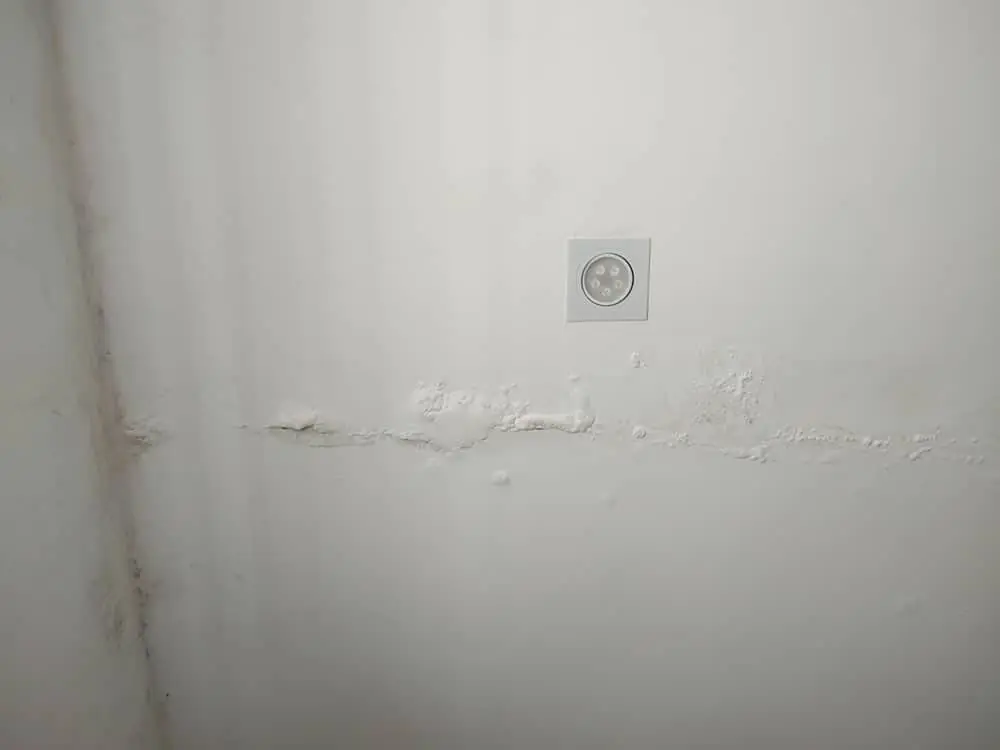
The bubble forms when moisture causes paint to separate from the drywall underneath. If it is large and likely to burst onto furniture or flooring, you can carefully drain it from the lowest point into a container. However, this is only temporary. You will eventually need to address the moisture source.
Don’t Ignore a Water Bubbles
A water bubble in the wall can worsen quickly if you don’t address the moisture source. Damage may progress like this:
-
Days 1–3: The bubble grows as moisture continues to collect behind the wall.
-
Days 3–7: Drywall paper can begin to soften, weaken, and separate.
-
Days 7–21: Mold may already be developing. The EPA recommends drying water-damaged materials within 24–48 hours to help prevent mold growth.
-
Weeks and beyond: Continued moisture can saturate insulation, damage framing, and create an electrical hazard if wiring is affected.
The sooner you stop the water source and dry the area, the better your chances of limiting further damage.
How to Fix a Water Bubble in Your Wall — Step by Step
Before repairing the wall, identify and stop the water source. Otherwise, the damage will return.
Step 1 — Stop the Water Source First
For a plumbing leak, shut off the affected water supply and call a plumber. For a roof leak, temporarily cover the opening and schedule repairs. For rain intrusion, seal gaps around windows or doors with exterior-grade caulk.
Step 2 — Dry the Wall Completely Before Patching
Use a fan for small areas or add a dehumidifier for larger ones. The wall may still be damp beneath the surface, so use a moisture meter when possible. The EPA recommends drying wet materials within 24–48 hours to help prevent mold.
Step 3 — Remove Damaged Paint and Patch the Drywall
Once dry, scrape away loose or bubbled paint. Replace drywall that is soft, crumbling, or badly discolored. If it remains firm, sand the area, apply joint compound, and sand it smooth. Finish with a stain-blocking primer and matching paint.
If the wall remains wet or the damage is extensive, consider scheduling professional water damage restoration services.
Common Mistakes When Fixing a Wall Water Bubble
Avoid these mistakes that can allow moisture damage to continue or cause the bubble to return:
-
Patching before stopping the water: Fix the moisture source first, or the bubble will likely return.
-
Using the wrong primer: Standard latex primer may not block water stains. Use an oil- or shellac-based stain-blocking primer instead.
-
Assuming the wall is dry: Drywall can remain damp beneath the surface. Use a moisture meter to check the affected area before patching.
-
Draining the bubble incorrectly: If draining is necessary, puncture the lowest point and place a container underneath to control the water.
-
Ignoring nearby areas: Moisture can spread beyond the visible bubble, so check the surrounding drywall for hidden dampness.
Homeowners should consider a water damage inspection if moisture continues to spread or has gone untreated for a long time.
Frequently Asked Questions About Wall Water Bubbles
Should I pop a water bubble in my wall?
No. Do not pop a water bubble until you identify and stop the water source. Draining it too soon can spread water inside the wall. If the bubble is large and likely to burst, carefully drain it at the lowest point as a temporary measure.
What causes a water bubble in a wall?
Common causes include leaking pipes, roof leaks, rain entering through exterior gaps, high humidity, and moisture from bathrooms or kitchens. A water bubble in a wall typically means moisture has reached the drywall or paint.
How do I fix a water bubble in my wall?
To fix a bubble in the wall from water, stop the moisture source and dry the area completely. Then remove damaged paint, repair or replace damaged drywall, apply a stain-blocking primer, and repaint.
How long does a water bubble in a wall take to dry?
Drying time depends on the amount of moisture and the extent of the damage. The EPA recommends drying wet materials within 24–48 hours when possible. Use fans and a dehumidifier as needed, and check for hidden moisture before making repairs.
Can a water bubble in my wall cause mold?
Yes. Persistent moisture behind the wall can create conditions
for mold growth. This includes a water bubble in the wall after rain that repeatedly returns. If the area stays damp or smells musty, consider a professional moisture assessment.
Why is there a water bubble in my wall paint?
A water bubble in wall paint forms when moisture causes the paint to separate from the surface underneath. A water bubble in paint on the wall is usually a symptom of a leak, water intrusion, or excess humidity rather than a problem with the paint itself.